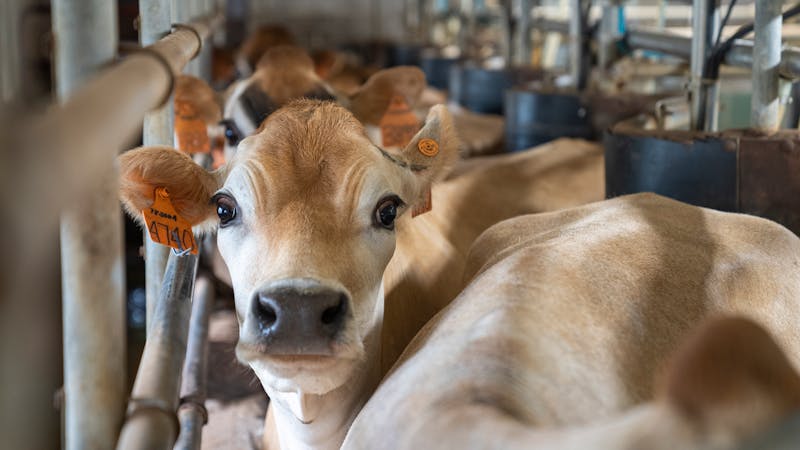
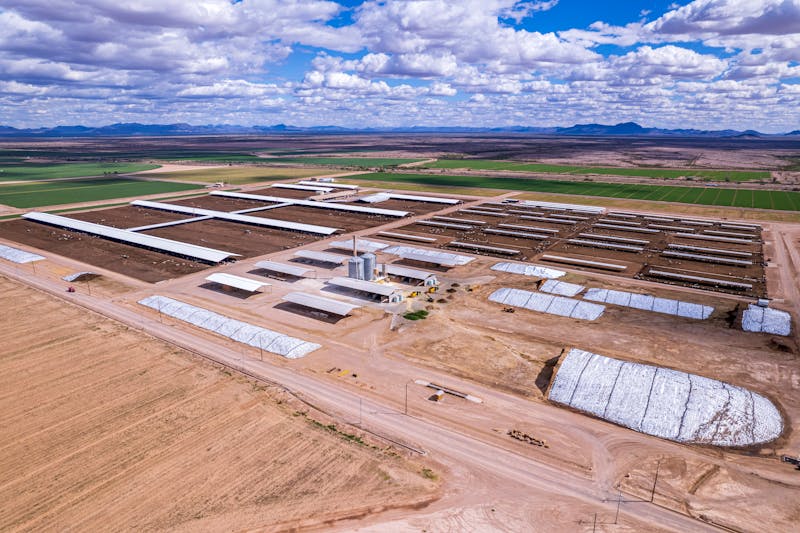
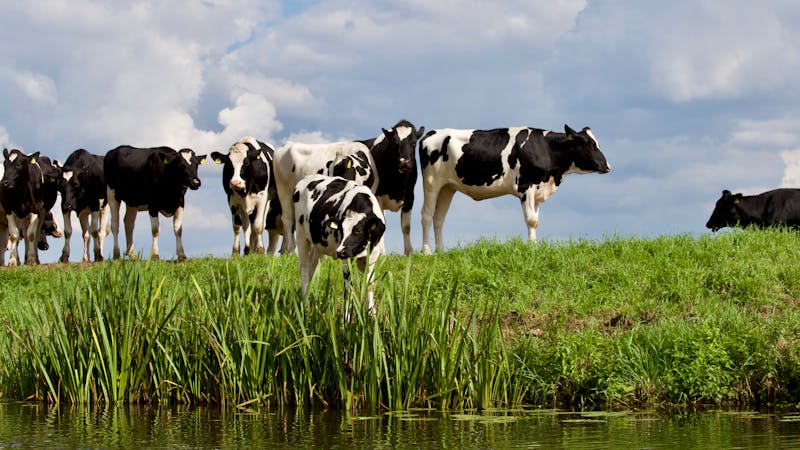
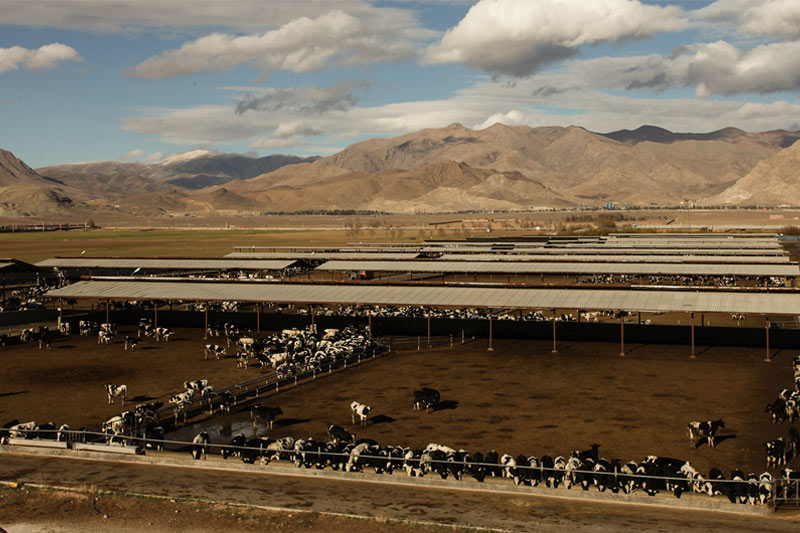
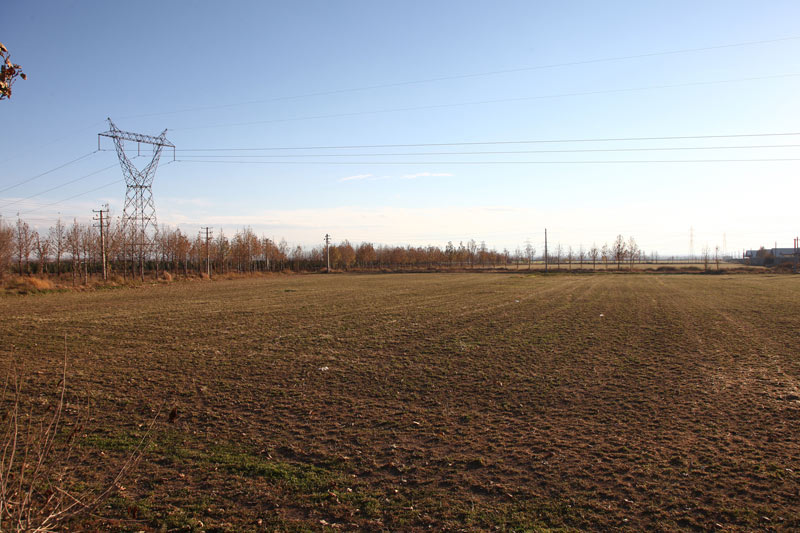
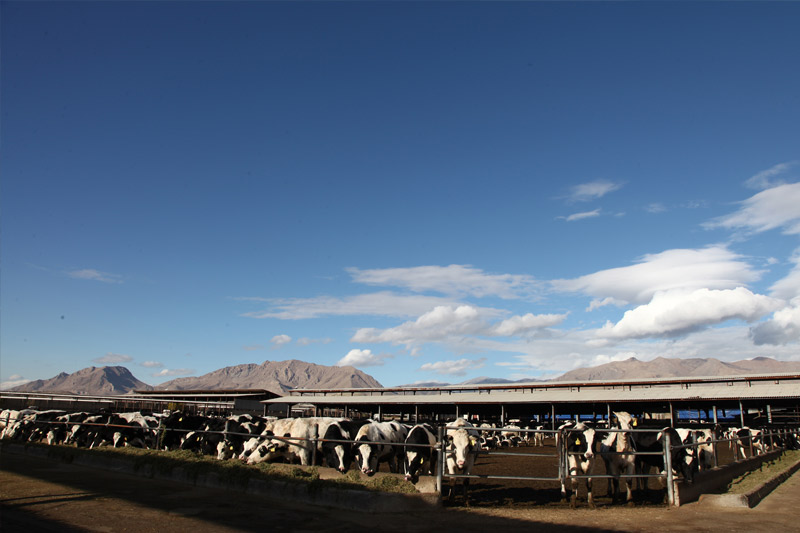
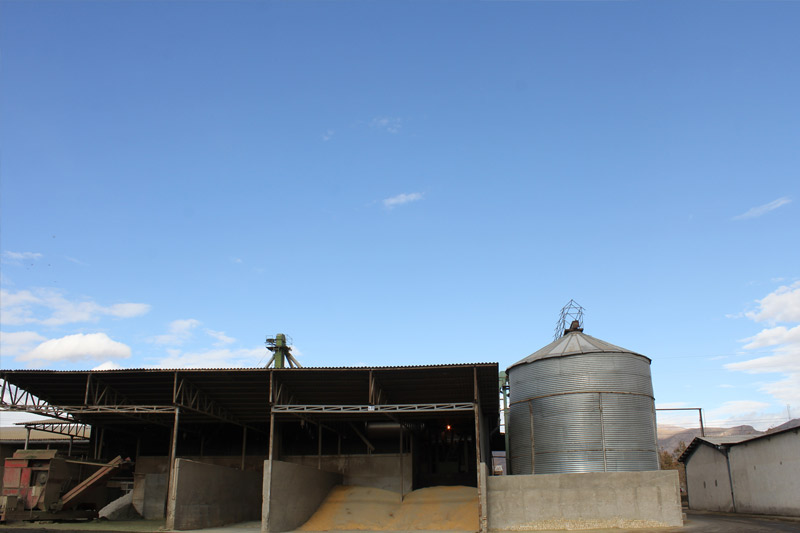
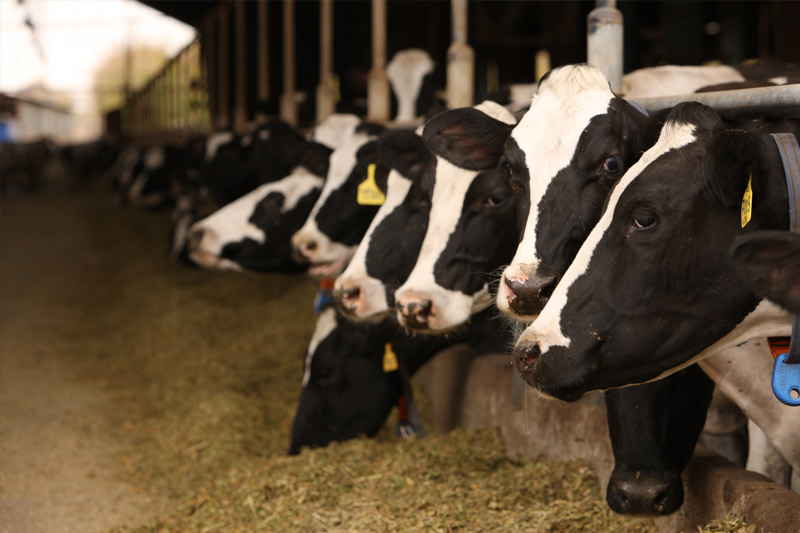
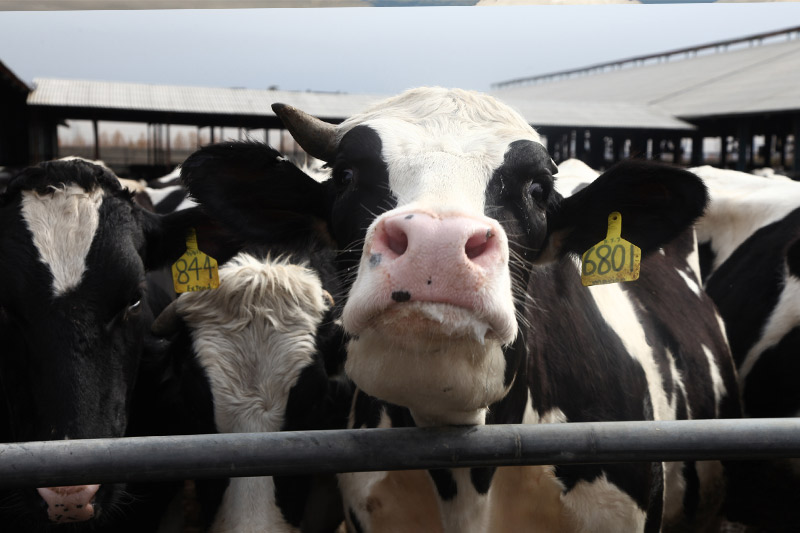
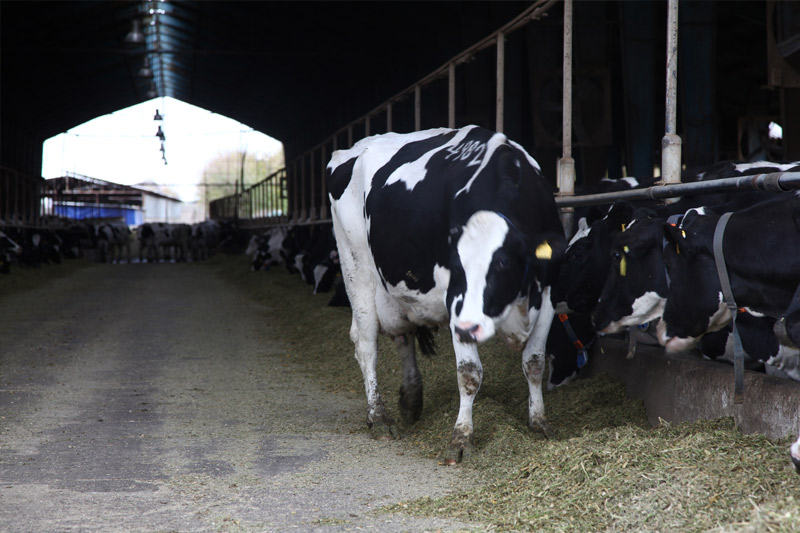
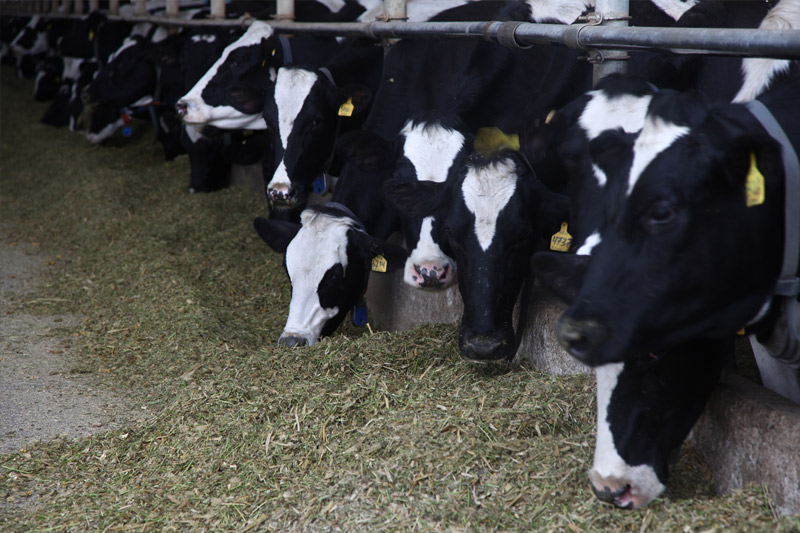
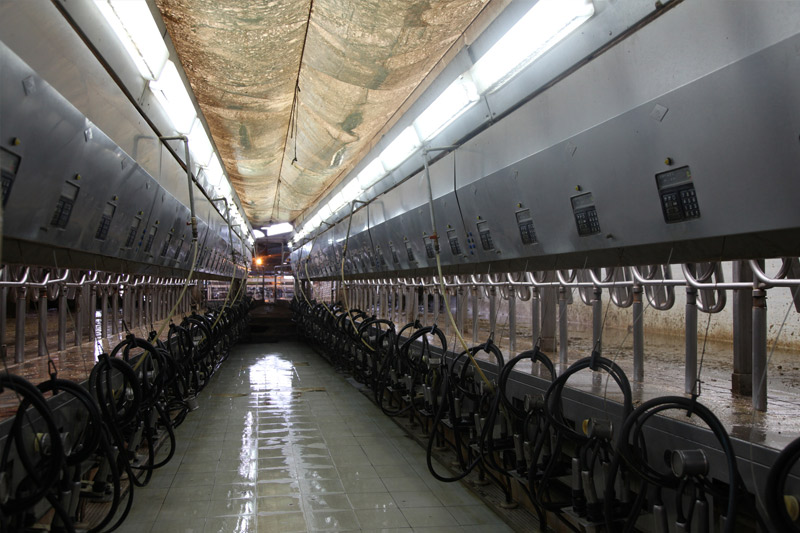
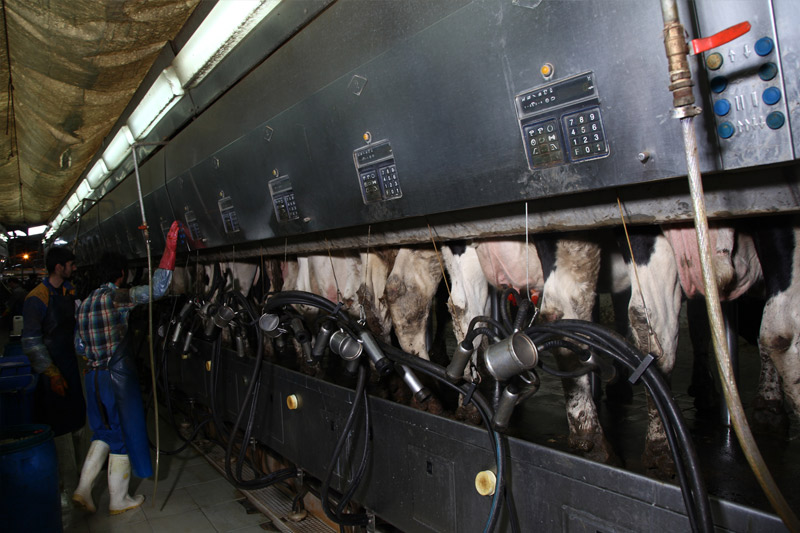
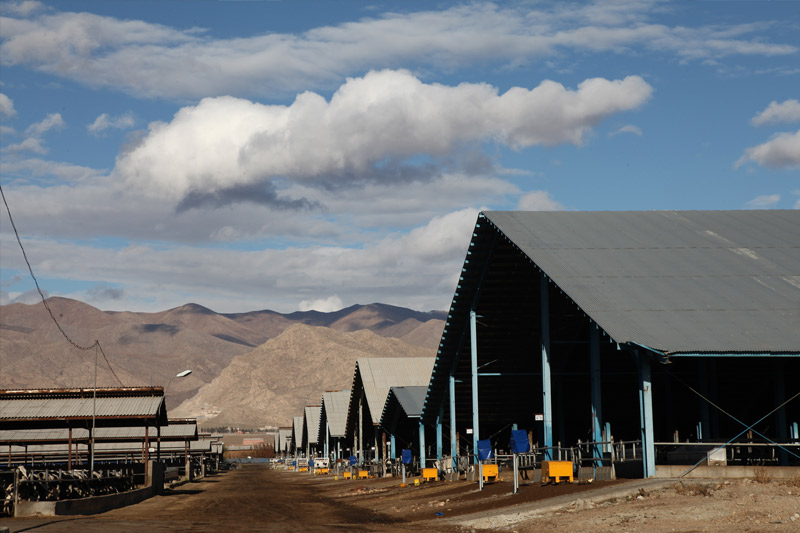
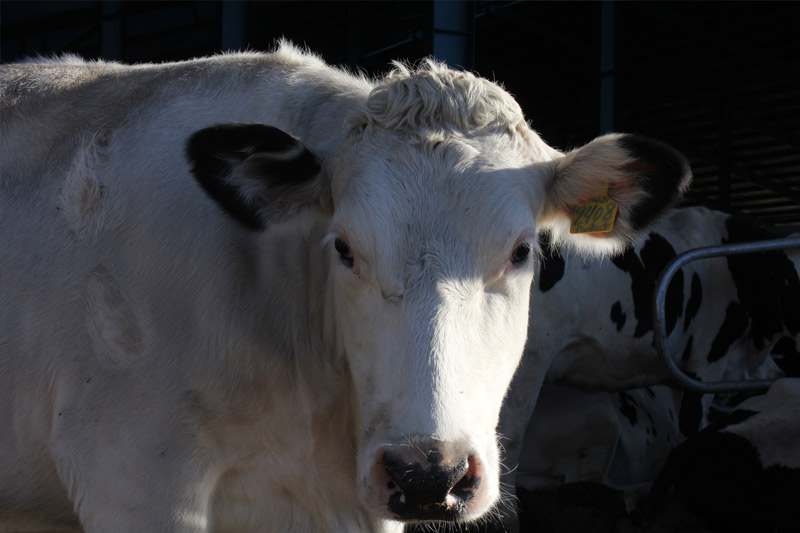
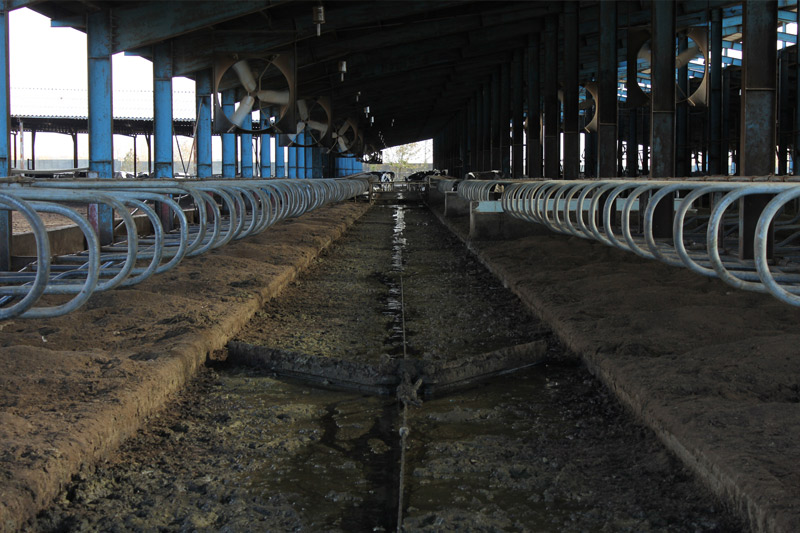
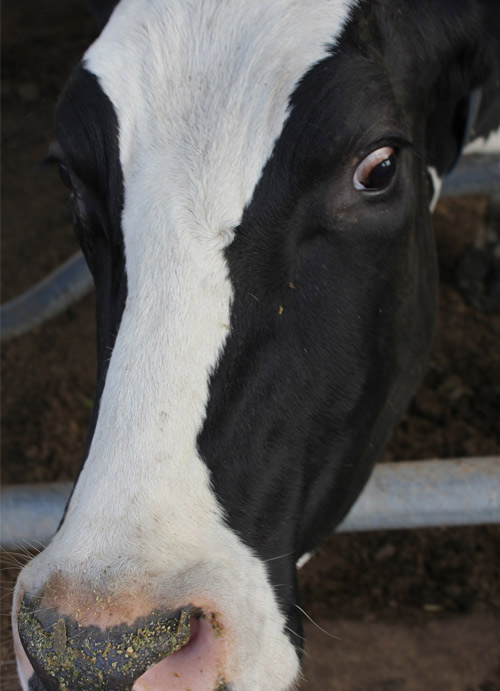
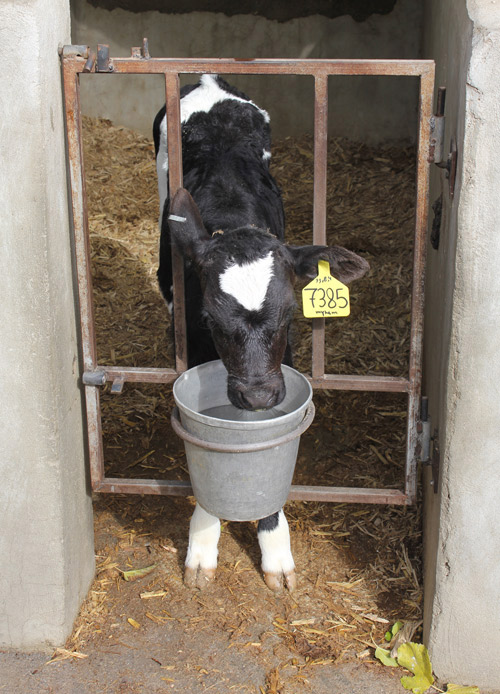
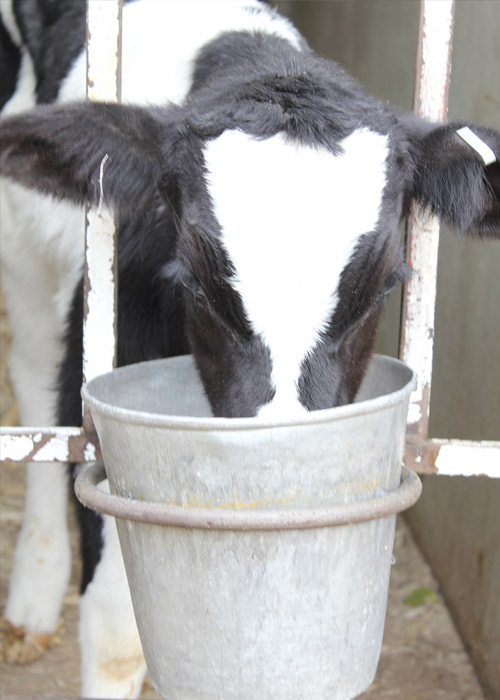
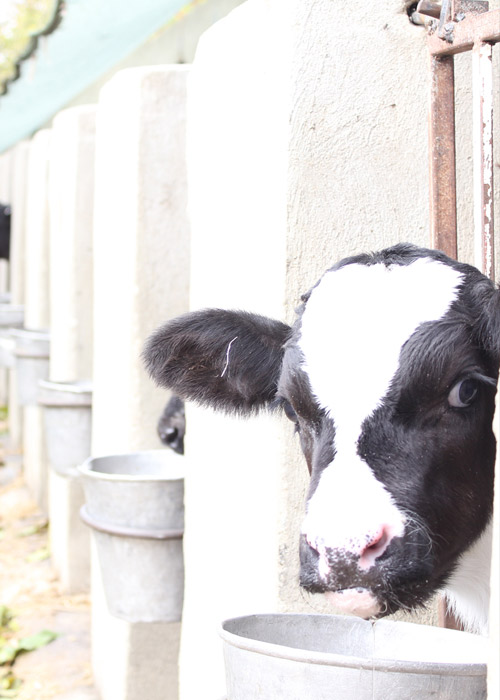
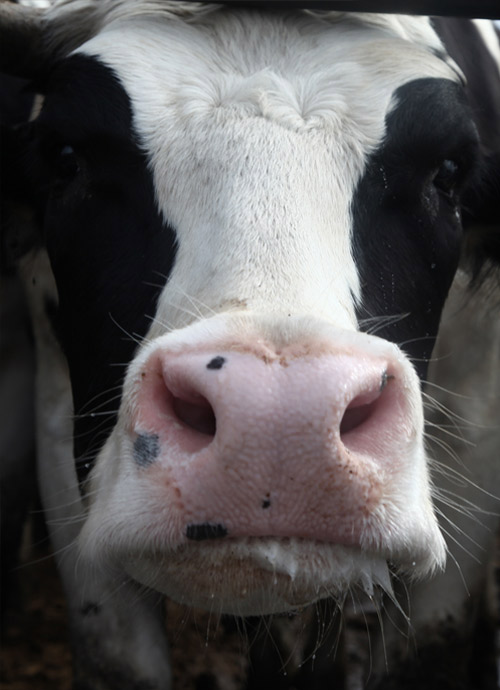
Zarrin-Heev Company was established in 1990 and has since grown into one of the largest dairy farming operations in the Middle East. Our 20-hectare facility in Nazarabad houses approximately 21,000 healthy cattle, managed by over 100 dedicated professionals. We employ advanced technology and maintain a fully equipped laboratory to ensure our products meet the highest international standards. Our team of veterinarians provides continuous oversight to guarantee animal health and product quality.
Our mission is to elevate the quality and daily nutrition of our customers. Through collaboration with renowned dairy companies, Zarrin-Heev remains committed to delivering premium products directly to consumers.
We are dedicated to managing world-class facilities that ensure the safety and well-being of our twenty-one-thousand-head herd, while pioneering sustainable farming practices for future generations.
21,000+
Head of Cattle
100+
Expert Staff
20
Hectares of Facility
1990
Year Established
Our Services
Agriculture
Sustainable crop cultivation and forage production to support our livestock operations
Dairy
Premium milk production with rigorous quality control from farm to table
Animal Feed
Scientifically formulated feed solutions for optimal livestock nutrition and health
Genetics
Advanced breeding programs and genomic testing for superior herd quality
Environment
Eco-friendly waste management and sustainable farming practices
Engineering
Modern facility design, construction, and maintenance services
Our Companies
A family of 14 specialized subsidiaries working together
Heevco Group
Heevco HSE
Heevco Line
Heevkesht
Heev Mehap
Heev Persia
Heev Yar
Milkaa
Setare Gavdaran
Rose Flower Co.
Quality
Aziz University
Heev Alborz
Heev Ban
Did You Know?
January 22, 2026
Built Different: The Remarkable Body of a Dairy Cow
Cows possess nearly 360-degree panoramic vision thanks to the lateral placement of their eyes, allowing them to detect movement from almost any direction without turning their heads.
Their sense of smell is equally extraordinary — cows can detect odors from over 8 kilometers away. Perhaps most impressive is their digestive system: a four-compartment stomach (rumen, reticulum, omasum, and abomasum) housing billions of microorganisms that convert grass and fiber into nutrient-rich milk. A single cow spends up to 8 hours a day chewing cud and produces an astonishing 57 kg of saliva daily to aid digestion. Each cow's black-and-white spot pattern is completely unique, much like a human fingerprint.
January 26, 2026
More Than Calcium: The Hidden Power in Every Glass
While most people know milk is rich in calcium and protein, scientists have discovered over 200 bioactive peptides in milk — tiny protein fragments with antihypertensive, antioxidant, and anti-inflammatory properties.
Milk fat contains over 400 different types of fatty acids, including butyric acid for gut health and CLA (Conjugated Linoleic Acid) with anti-cancer properties. Milk also naturally contains tryptophan — an amino acid the body uses to produce serotonin and melatonin — making it a natural aid for relaxation and quality sleep. The Milk Fat Globule Membrane (MFGM) has been shown to enhance cognitive development in infants. A single glass delivers 8 grams of high-quality protein along with vitamins A, D, and B12.
January 30, 2026
Robots, AI, and Happy Cows: The High-Tech Dairy Farm
Modern dairy farming looks nothing like it did a decade ago. Robotic milking systems now allow cows to choose when they want to be milked, walking voluntarily to automated stations that identify each animal with precision.
AI-powered wearable sensors monitor each cow's rumination, activity, and temperature 24/7, detecting early signs of illness or pregnancy hours before a farmer could notice. The global precision dairy farming market is projected to surpass $5 billion, with AI-driven feed optimization alone reducing costs by up to 10% through precise, individualized nutrition management. These technologies reduce animal stress, increase yield, and allow farmers to focus on the wellbeing of their herds rather than repetitive manual tasks.
February 3, 2026
Greener Pastures: How Dairy Farming Is Shrinking Its Footprint
Between 2007 and 2017, the carbon footprint per gallon of milk decreased by 19%, water usage dropped by 30%, and land use declined by 21% — a remarkable sustainability achievement.
Today's progressive dairy farms recycle water an average of four times and increasingly employ anaerobic digesters that convert manure into renewable energy. The global dairy industry has set a target of greenhouse gas neutrality by 2050. Precision agriculture technologies — GPS-guided systems, drone monitoring, and advanced sensors — optimize every aspect of farm management. Iran, with approximately 8 million dairy cattle producing over 8 million tons of milk annually, plays a significant role in the region's sustainability efforts.
February 6, 2026
10,000 Years of Milk: The Ancient Origins of Dairy
Dairy farming is one of humanity's oldest agricultural practices, dating back roughly 10,000 years to the Fertile Crescent region of modern-day Turkey, Iraq, and Iran.
Without refrigeration, the earliest dairy farmers transformed milk into yogurt, cheese, and butter. The oldest evidence of milk fat processing was found in pottery fragments from 7,000 BCE in northwestern Anatolia. Even Homer's Odyssey describes the Cyclops Polyphemus crafting sheep's milk cheese — likely an ancestor of feta. From those humble beginnings, the global dairy industry now produces nearly one billion tonnes of milk annually, making it one of humanity's most enduring food traditions.
February 10, 2026
A World Running on Milk: Dairy by the Numbers
Global milk production is projected to reach nearly 993 million tonnes — almost one trillion kilograms. India leads as the world's largest producer, contributing about 24% of the global supply.
India has increased its milk output by an impressive 63% over the past decade alone. Asia is the primary growth engine, producing over 460 million tonnes annually. Per capita milk availability in India has reached 471 grams per day — far exceeding the global average of 322 grams. A single high-performing Holstein cow can produce an average of 10,220 kg of milk per year, with elite cows reaching up to 32,658 kg annually. The Holstein-Friesian breed dominates dairy farming in over 160 countries worldwide.
February 14, 2026
Smarter Than You Think: The Surprising Mind of a Cow
Research shows cows can navigate complex mazes and retain the solution for at least eight hours. They discriminate between individual human faces and learn from watching other cows' mistakes.
Cows form deep emotional bonds — studies show they have preferred companions or "best friends," and when kept alongside them, their heart rates drop and stress hormones decrease significantly. They experience excitement during problem-solving: researchers observed increased heart rate and energetic behavior when cows figured out how to open a gate for food. Cows can sense magnetic fields and tend to align their bodies along the north-south axis while grazing. They also hold grudges against individuals who have mistreated them, showing clear recognition and avoidance behavior.
February 19, 2026
From Yogurt to Cheese: How Fermented Dairy Fuels Your Health
Fermented dairy products like yogurt, kefir, and aged cheese are powerful allies for health. Live cultures enhance gut microbial diversity, strengthen the intestinal barrier, and improve digestive regularity.
The benefits extend beyond the gut: regular consumption of fermented dairy has been associated with reduced risk of type 2 diabetes, improved cardiovascular markers including lower blood pressure and better lipid profiles, and stronger bones. Yogurt's probiotics help produce B vitamins and vitamin K in the gut. Aged cheeses like Parmesan contain almost no lactose, making them suitable for lactose-intolerant individuals. Kefir contains up to 61 different strains of bacteria and yeasts — far more diverse than yogurt — earning it the title of one of the most probiotic-rich foods on Earth.